

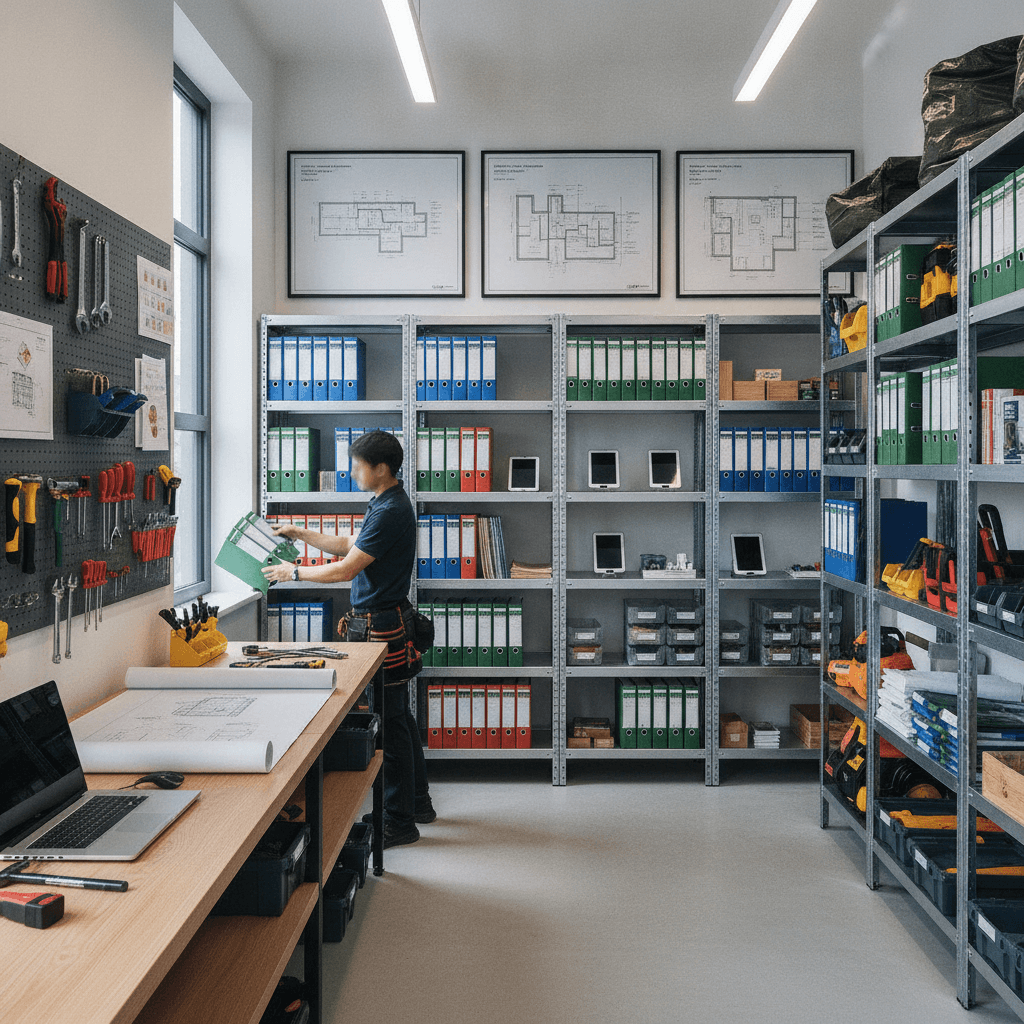
Managing a property effectively can sometimes feel like a full-time job. It demands attention to detail a proactive mindset and a solid understanding of various home systems. From unexpected leaks to seasonal yard work homeowners and property managers alike face a constant stream of tasks. I know this firsthand from years in the field and I have learned that being prepared makes all the difference.
This is where a good Property Maintenance Resource Library comes into play. It acts as your reliable partner providing guidance and practical solutions. My goal is to equip you with the knowledge needed to handle routine upkeep and respond confidently to unforeseen issues. We aim to simplify the complexities of property care and make it accessible for everyone.
I believe that with the right information anyone can become a skilled property steward. Our resource library is designed to empower you with expert tips and detailed guides. It covers everything from basic repairs to smart preventative measures. You will find that regular maintenance not only preserves your property’s value but also creates a safer and more enjoyable living space.
Understanding Your Property Maintenance Needs
Every property is unique and so are its maintenance requirements. A small suburban home has different needs compared to a large commercial building or a sprawling rural estate. Understanding these specific demands forms the bedrock of an effective maintenance strategy. I always advise starting with a comprehensive assessment of your property.
This initial step helps you identify key areas that need regular attention. It allows us to distinguish between structural components and aesthetic elements. We consider everything from the foundation to the roof the plumbing to the electrical system. This clear overview lets us create a maintenance schedule that is both realistic and effective.
Proactive maintenance is always better than reactive repairs. Waiting for something to break often leads to higher costs and greater inconvenience. Think of it like a regular car service. You do not wait for the engine to fail before getting an oil change. Property maintenance works on the same principle protecting your investment through diligent care.
Assessing Different Property Types
Residential properties like single-family homes or townhouses often require a focus on interior systems and personal comfort. We might prioritize things like HVAC efficiency plumbing integrity and appliance upkeep. For rental properties the emphasis often shifts to tenant satisfaction and minimizing vacancy periods so quick repairs are key.
Commercial properties such as office buildings or retail spaces have more complex systems. They usually involve larger HVAC units sophisticated fire safety systems and extensive plumbing networks. These properties often require specialized contractors and more rigorous inspection schedules. We need to consider regulatory compliance and visitor safety as well.
Rural properties may present unique challenges like well water systems septic tanks and extensive land management. Maintenance in these settings involves understanding local environmental factors and potentially more self-sufficiency. Each type requires a tailored approach and our resource library helps you navigate these differences with ease.
Essential Tools and Supplies for Every Homeowner
Having the right tools on hand makes any maintenance task much simpler. You do not need a workshop full of specialized equipment to handle most common household repairs. A well-stocked basic toolkit is usually enough for many small jobs. I always tell people that a few quality items are better than a pile of cheap ones.
Investing in durable tools saves you money and frustration in the long run. Imagine trying to tighten a leaky faucet with a flimsy wrench that slips. It is a terrible experience. A sturdy set of screwdrivers a reliable hammer and a good measuring tape are fundamental. These are items I use almost daily for various tasks.
Beyond hand tools certain supplies are also crucial for general upkeep and quick fixes. Things like duct tape WD-40 and various fasteners are always good to have around. Keeping these essentials organized means you can quickly grab what you need when a problem arises. It saves precious time during small emergencies.
Your Basic Home Repair Toolkit
For immediate repairs and general maintenance I recommend a core set of tools. This setup allows you to tackle many projects yourself. You will feel more confident knowing you are prepared for minor issues.
- A sturdy claw hammer for hanging pictures or minor demolition.
- A set of screwdrivers including Phillips and flathead in various sizes.
- An adjustable wrench for tightening pipes or bolts.
- Pliers including needle-nose and slip-joint types.
- A measuring tape at least 25 feet long.
- A utility knife with extra blades.
- A level for ensuring things are straight.
- Safety glasses and work gloves for protection.
Seasonal Maintenance Supplies
Different seasons bring different maintenance needs so having specific supplies on hand is smart. Preparing for the elements prevents damage and keeps your home comfortable. I always check my inventory at the start of each season.
- For winter have rock salt a snow shovel and de-icer ready.
- In spring stock up on gardening tools such as pruning shears and gardening gloves.
- Summer calls for sunscreen insect repellent and grill cleaning supplies.
- Autumn requires leaf rakes garbage bags and gutter cleaning tools.
Mastering Common Plumbing Challenges
Plumbing issues are among the most frequent and frustrating problems property owners encounter. A leaky faucet a clogged drain or a running toilet can quickly escalate if not addressed. Understanding basic plumbing principles and knowing when to call a professional is key. I have seen countless small drips turn into major water damage because people waited too long.
Many minor plumbing problems can be fixed with simple tools and a little know-how. This saves you money on service calls and gives you a sense of accomplishment. I find that learning these basic skills is incredibly empowering. It builds confidence in your ability to manage your property effectively.
Preventative maintenance plays a huge role in avoiding plumbing disasters. Regular inspections and proper usage habits keep your pipes flowing smoothly. We believe in empowering property owners with the information they need to keep their systems in top shape. For more specialized concerns or complex issues I always recommend checking resources for local experts like those found in Frisco plumbing resources to ensure professional and reliable service.
Tackling Leaks and Clogs
A persistent drip can waste a surprising amount of water and money over time. Simple faucet leaks often come from worn-out washers or O-rings. Replacing these small parts is usually an easy fix for most homeowners. I learned how to do this early on and it saved me many times.
Clogged drains are another common headache. For sinks and tubs a plunger can often clear minor blockages. If that does not work a drain snake is usually the next step for deeper clogs. Chemical drain cleaners are powerful but can be harsh on pipes so use them sparingly. Sometimes simple baking soda and vinegar can do the trick too.
For toilets a good plunger is indispensable for clearing blockages. If the toilet keeps running after flushing the flapper valve or fill valve might need adjustment or replacement. These are relatively straightforward repairs that most people can handle themselves with the right instructions.
Electrical Safety and Minor Repairs
Electricity is a powerful force that demands respect. While many electrical tasks should be left to certified electricians there are some minor repairs and safety checks that property owners can perform. Understanding the basics of your home’s electrical system is a vital part of property maintenance. I always emphasize safety first when dealing with anything electrical.
Knowing how to locate your circuit breaker panel and safely reset a tripped breaker is essential. This common issue happens when a circuit is overloaded. It is a quick fix that often prevents unnecessary service calls. But if a breaker trips repeatedly on the same circuit there is a deeper issue that needs professional attention.
Replacing a light switch or outlet can also be a manageable DIY project for someone with basic electrical knowledge. Always remember to turn off the power to that specific circuit at the breaker box before you begin any work. This step prevents electric shock and keeps you safe. Never attempt anything beyond your comfort level.
Understanding Circuit Breakers
Your circuit breaker panel is the heart of your home’s electrical system. Each breaker controls a specific circuit providing power to different areas or appliances. When a circuit overloads or shorts out the breaker trips disconnecting power to prevent damage or fire. I make sure everyone in my household knows where our panel is located.
To reset a tripped breaker simply push the switch firmly to the “off” position then back to “on.” If it immediately trips again you have an underlying electrical problem that requires an electrician. Do not try to force it or tape it down. That can be incredibly dangerous and cause severe problems.
I advise labeling your circuit breakers clearly. This helps you quickly identify which breaker controls which part of your home. Clear labels save time and reduce frustration when you need to turn off power for repairs. It is a simple but effective organizational tip.
HVAC System Care for Year-Round Comfort
Your heating ventilation and air conditioning HVAC system works hard to keep your indoor environment comfortable throughout the year. Proper maintenance of this system is crucial for its efficiency longevity and your family’s health. Neglecting your HVAC can lead to higher energy bills uncomfortable temperatures and costly breakdowns. I have learned that a little preventative care goes a long way here.
Regular filter replacement is perhaps the simplest yet most effective maintenance task you can perform. A dirty filter restricts airflow forcing your system to work harder and use more energy. It also reduces indoor air quality introducing dust and allergens into your home. This small task makes a huge difference in performance and air cleanliness.
Beyond filters other routine checks can help you spot potential problems early. Listening for unusual noises checking thermostat settings and keeping outdoor units clear of debris are all part of smart HVAC care. These steps ensure your system runs smoothly and efficiently protecting your comfort and your wallet.
Filter Replacement Schedule
The frequency of filter replacement depends on several factors. I generally recommend changing your HVAC filter every one to three months. However if you have pets or allergies or if you live in an area with high dust levels you might need to change it more often. A good rule of thumb is to check your filter monthly.
When the filter looks visibly dirty it is time for a change regardless of the schedule. Different filters offer different levels of filtration so choose one that suits your needs. Higher MERV ratings mean better filtration but can sometimes restrict airflow for older systems. Always check your HVAC unit’s specifications for the recommended filter type.
Keeping a supply of new filters on hand prevents delays. I like to buy a pack of filters at once so I am never caught without one. This simple habit keeps your HVAC running at its best and keeps your energy bills lower. It also helps your system last longer and perform better for many years.
Landscaping and Exterior Upkeep Best Practices
The exterior of your property including its landscaping contributes significantly to its curb appeal and overall value. Proper outdoor maintenance creates an inviting environment and protects your home from the elements. It is an ongoing process that changes with the seasons but it is incredibly rewarding. I enjoy seeing a well-maintained yard.
Regular lawn care such as mowing watering and fertilizing keeps your grass healthy and green. Pruning trees and shrubs not only enhances their appearance but also removes dead or overgrown branches that could pose a hazard. Think about maintaining pathways and driveways too keeping them free of cracks and debris.
Pest control is another crucial aspect of exterior maintenance. Addressing insect or rodent problems early prevents them from becoming major infestations inside your home. Sealing cracks and gaps in your foundation and around windows can also deter unwanted visitors. A well-maintained exterior shows pride of ownership and adds real value to your home.
Seasonal Yard Work
Each season brings unique tasks for your yard. In spring focus on cleaning up winter debris planting new flowers and fertilizing your lawn. Summer involves regular mowing watering and pest management. I also check for weeds during this time.
Autumn is for raking leaves preparing garden beds for winter and trimming back perennials. Winter tasks are usually lighter focusing on protecting sensitive plants and keeping pathways clear of snow and ice. Following these seasonal guidelines ensures your landscape remains vibrant and healthy year-round.
Leveraging a Property Maintenance Resource Library for Success
A comprehensive Property Maintenance Resource Library is more than just a collection of articles; it is a strategic tool for smart property ownership. I have seen countless homeowners save time money and stress by having reliable information at their fingertips. Being well-informed means you can tackle routine tasks with confidence and make educated decisions when professional help is needed.
This resource empowers you to understand the underlying issues before they become major problems. It helps you prioritize maintenance tasks creating a schedule that fits your lifestyle and budget. Whether you are a first-time homeowner or a seasoned property manager continuous learning is the secret to long-term success. I encourage you to explore all the facets of property care available within these guides.
Start applying the knowledge you gain today. Implement a seasonal maintenance checklist perform regular inspections and do not hesitate to consult our resources for any questions you have. We are here to support your journey in maintaining a beautiful functional and valuable property. Take control of your property’s future by staying informed and taking proactive steps.


